Watts Nickel Plating Bath: Composition, pH and Daily Maintenance
Typical Watts bath ranges, how to hold pH steady, when to dummy and carbon-treat, and a quick fault-finding table for pitting, burning and dark deposits.
Read the guide →
Practical, plain-language guides to the chemicals we supply: how they work in the tank, the numbers worth watching, and what to check before you buy.
Typical Watts bath ranges, how to hold pH steady, when to dummy and carbon-treat, and a quick fault-finding table for pitting, burning and dark deposits.
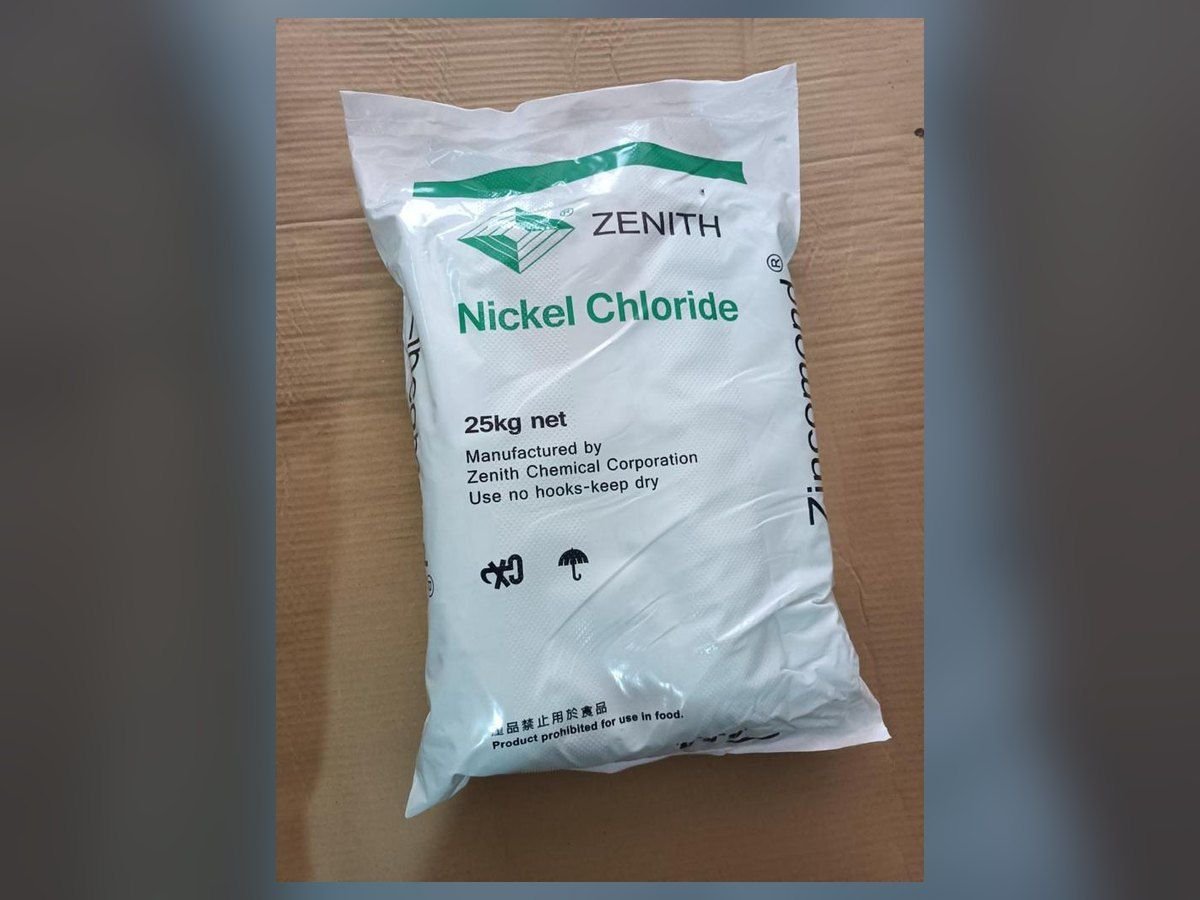
Read the guide →Why nearly every nickel bath uses both salts, what chloride does to anodes, conductivity and deposit stress, and how to decide the right balance for rack or barrel work.
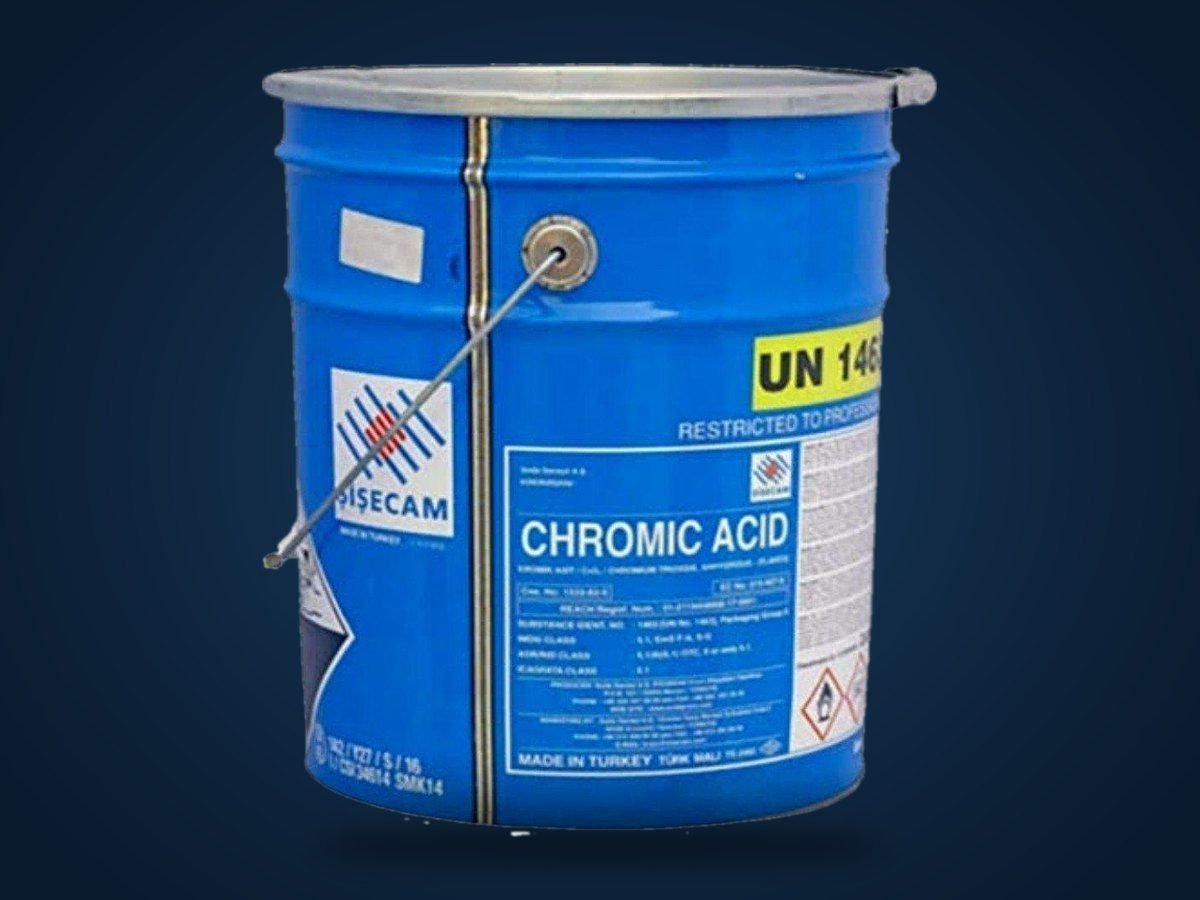
Read the guide →How chromic acid, the sulphate catalyst and mixed-catalyst additives work together in a hard chrome bath, plus how to keep sulphate and trivalent chromium in check.
Read the guide →Where chrome mist comes from, how suppressants stop it at the surface, how to dose and monitor them, and the questions to ask about PFAS-free chemistry.
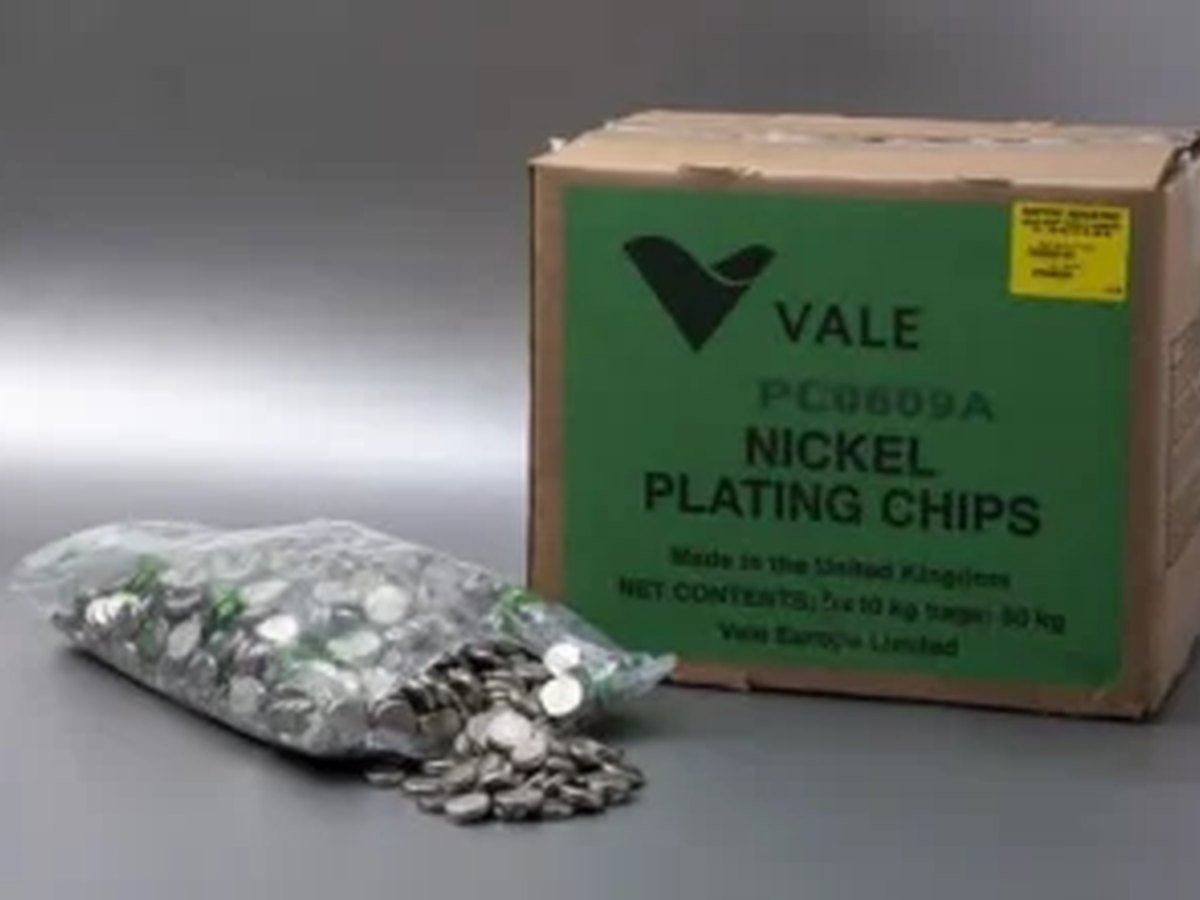
Read the guide →Anode plates or chips in titanium baskets? A side-by-side comparison, the anode-to-cathode ratio, and the maintenance habits that keep nickel dissolving evenly.
Read the guide →How zinc ammonium chloride flux prepares steel for molten zinc, the difference between wet and dry fluxing, and the controls that cut bare spots, ash and dross.
Read the guide →Seven things to confirm before you order plating chemicals: grade and impurities, documents, packaging and shelf life, storage, pricing, delivery and support.
Read the guide →Get a fast quote on electroplating chemicals, metal salts, anodes and plant equipment — delivered across Pakistan from Karachi.