Ask any galvanizer where bare spots come from and most will point to surface preparation, and in particular to the flux. Degreasing and pickling remove the oil and rust, but it is the flux that decides whether molten zinc wets the steel evenly.
Where flux fits in the process
A typical hot-dip galvanizing line runs: degrease, rinse, acid pickle, rinse, flux, dry, then dip in molten zinc. Flux is the final chemical treatment before the kettle. It has two jobs:
- dissolve any thin oxide film that forms after pickling
- leave a protective salt layer that stops the steel oxidising again before it enters the zinc
When it works, the zinc wets the steel completely and forms a continuous, well-bonded coating. When it does not, you get bare spots, lumps and a lot of extra zinc ash.
What galvanizing flux is made of
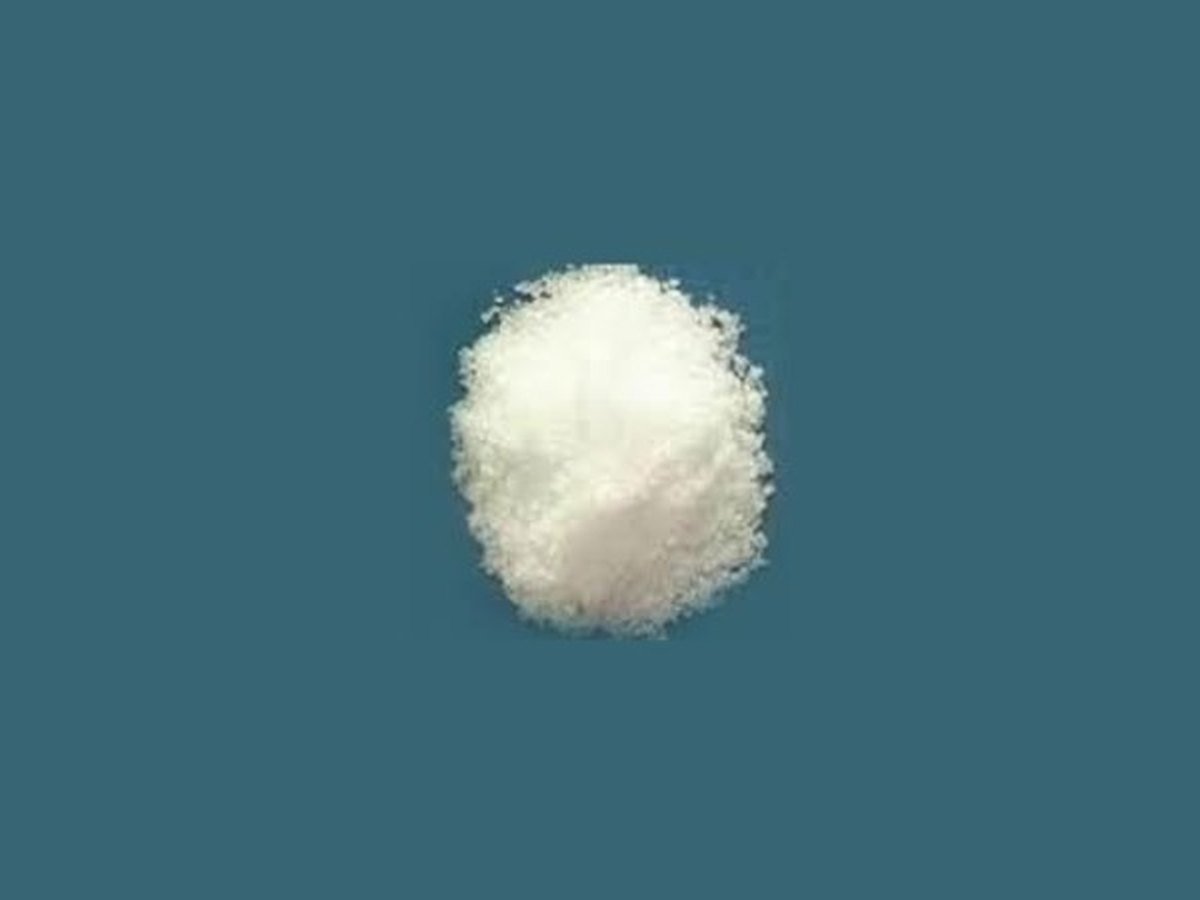
Standard galvanizing flux is based on zinc ammonium chloride, a double salt of zinc chloride and ammonium chloride from our ammonium salts range. It is used either as a dry powder or as a water-based solution. Commercial blends often add small amounts of other salts or wetting agents to adjust how the flux behaves.
The ratio between the two main salts matters. More ammonium chloride gives a more active flux with more fuming at the kettle. More zinc chloride gives less fume but a less aggressive clean. Our galvanizing flux salts are a zinc ammonium chloride-based blend made for this pre-treatment step.
Wet fluxing vs dry fluxing
| Wet (top) fluxing | Dry fluxing (preflux) | |
|---|---|---|
| How it works | A molten flux blanket floats on the zinc and the work passes through it. | The work is dipped in a warm flux solution, dried, then galvanized. |
| Typical use | Older lines and some pipe and tube work | Most general galvanizing today |
| Main watch-points | Fume at the kettle and managing the blanket | Drying well before dipping, and controlling flux concentration and iron |
With dry fluxing, drying matters. Steel that goes into the kettle wet causes spattering, which is a safety hazard, and tends to give poorer coatings.
Keeping flux in good condition
Watch the iron
Every load carries a little acid and dissolved iron from the pickling tank into the flux. As iron builds up in the flux, more of it reaches the kettle, where it forms zinc-iron dross and increases zinc consumption. The first defence is good rinsing after pickling. Beyond that, many galvanizers treat the flux periodically to precipitate the iron and filter it out.
Check the concentration
Flux strength is usually tracked with a hydrometer, as specific gravity or °Baumé, and topped up with fresh flux salts. Keep a simple log of concentration, temperature and additions. Trends make problems easy to spot before they show up as rejects.
Keep the rest of the line honest
Flux cannot fix poor cleaning. Oil left on the steel after degreasing, or scale left after pickling, will still give bare spots, however good the flux is.
Zinc and flux supply in Pakistan
Sufat Chemicals supplies galvanizing flux salts, zinc chloride, ammonium salts and zinc ingots for galvanizing plants across Pakistan from our Karachi office. Tell us about your line, whether it runs dry or wet flux and roughly what tonnage, and we will quote the right materials. If you also run electroplating, our buying checklist for plating chemicals may help.
Sources and further reading
- Chimi Art: Galvanizing Flux Selection Guide
- TIB Chemicals: Zinc chemicals for hot-dip galvanizing
- Finishing.com: Reducing zinc ash and waste in hot-dip galvanizing
Operating figures are typical published ranges for general guidance. Always follow the technical and safety data sheets for the specific products in your process.