In a nickel bath, the anode does more than complete the circuit. It replaces the nickel you plate onto the work. If it dissolves unevenly or passivates, the nickel content drifts, the pH moves and deposit quality suffers. The first decision is the form of nickel you use.
The two main options
Nickel anode plates
Nickel anode plates hang directly from the anode bar on hooks, usually inside anode bags. They are simple to set up and easy to understand. Their weakness is that they shrink as they dissolve. The anode area falls over time, current distribution changes, and part-used plates eventually have to be replaced.
Nickel chips in titanium baskets
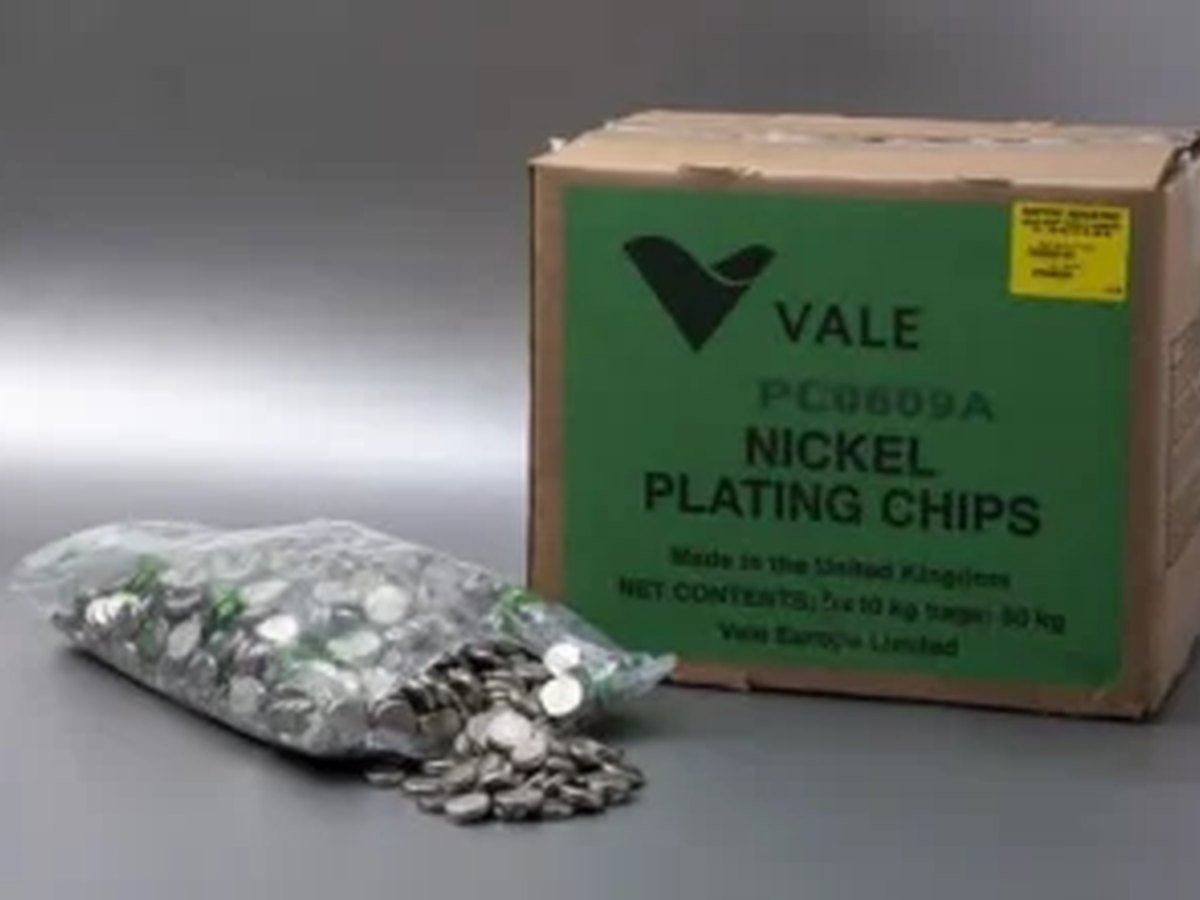
Nickel chips and plating rounds are small pieces of high-purity nickel that are loaded into titanium anode baskets. Titanium passivates in the nickel bath, so the current flows through the nickel, and the basket simply holds it in place. Typical plating chips are disc-shaped, a few millimetres thick and around 17–22 mm across, and they pack tightly without leaving voids.
Side-by-side comparison
| Anode plates | Chips in baskets | |
|---|---|---|
| Anode area over time | falls as the plates dissolve | kept constant by topping up |
| Set-up cost | lower: plates and hooks only | higher up front for the titanium baskets |
| Topping up | replace the plates | add chips to the basket |
| Leftover scrap | part-used plate stubs | minimal, because chips dissolve fully |
| Best for | small or occasional lines, simple set-ups | production lines that need consistent results |
Getting the anode area right
A widely used rule of thumb for nickel plating is an anode-to-cathode area ratio of about 2:1. Too little anode area pushes up the anode current density, which encourages passivation and pH drift. With baskets, the practical rule is to keep them full. Top up regularly so the nickel level stays high and the basket area stays in use.
Keeping anodes working properly
- Bag the anodes. Anode bags catch the fine sludge released as nickel dissolves, which would otherwise cause roughness on the work. Replace torn bags immediately.
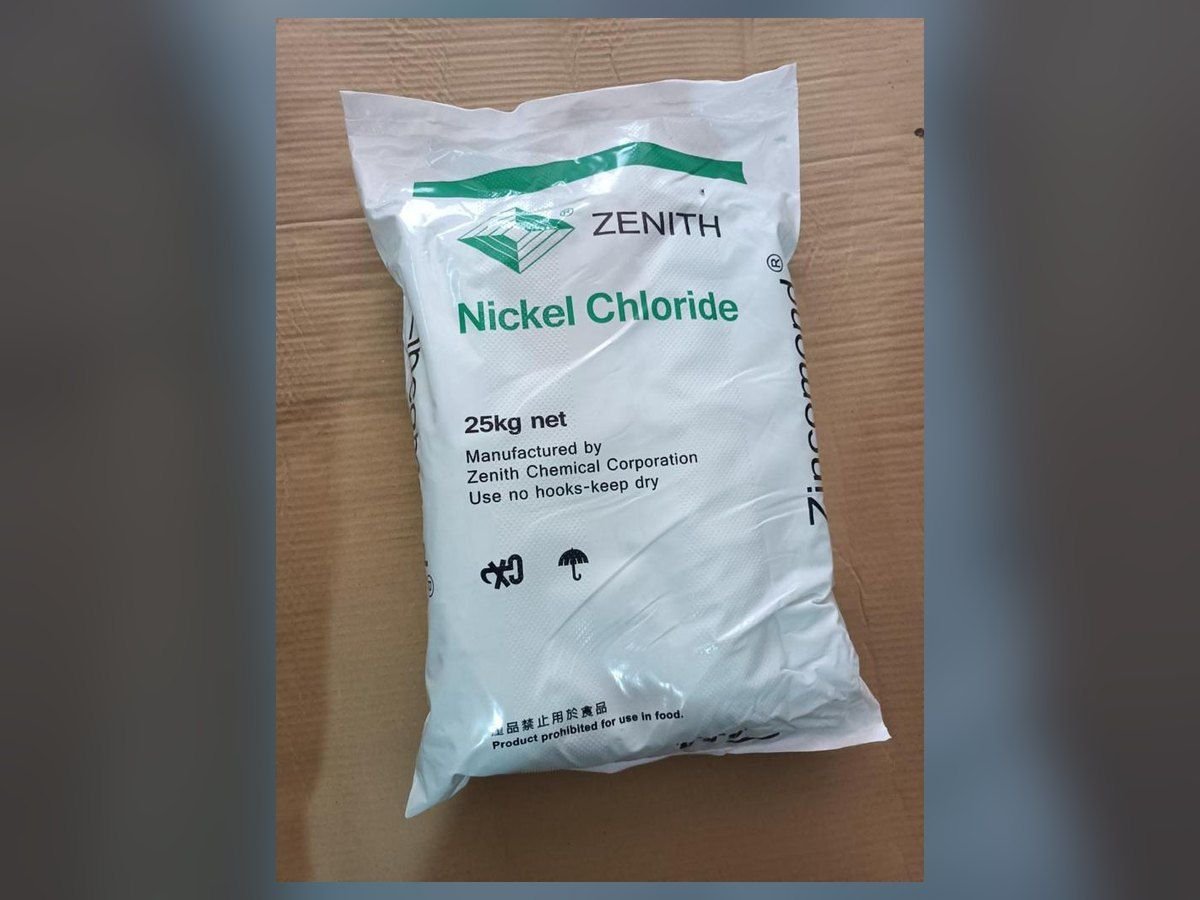
- Keep chloride in range. Nickel chloride keeps the anodes dissolving evenly, and low-chloride baths are more prone to anode passivation. Our nickel sulphate vs nickel chloride guide explains the balance.
- Check the contacts. Clean, tight hooks and basket contacts prevent heating and uneven current.
- Remove baskets carefully. Pull the whole bagged assembly out, so that sludge does not end up in the tank.
Which should you choose?
For a small or intermittent line, plates are a sensible, low-cost start. For production lines where consistency matters, titanium baskets filled with chips usually pay back through steadier bath chemistry and less anode waste. Many shops use both: baskets on the main tanks and plates where space or budget is tight.
Sufat Chemicals supplies high-purity electrolytic nickel anode plates in sizes from 1×1 to 4×24, nickel chips and plating rounds, and titanium anode baskets and hooks, delivered across Pakistan from Karachi. Send us your tank dimensions and we will help you work out the anode load. For the rest of the bath, see our Watts nickel bath maintenance guide.
Sources and further reading
- Palm Commodities: Nickel Anode Forms and Their Use (SUR/FIN paper)
- Palm Inc: Nickel Plating Chips
- Wikipedia: Nickel electroplating
Operating figures are typical published ranges for general guidance. Always follow the technical and safety data sheets for the specific products in your process.